
We may earn money or products from the companies mentioned in this post.
You take the puppy outside, nothing happens, and two minutes later there’s a puddle indoors. That’s a common sign the routine needs a small adjustment. Start with the moments your puppy is most likely to need a break, and let what you observe guide the rest.
Quick answer. Go out after waking, meals and active play, and before bedtime. Offer frequent breaks while your puppy is awake. Reward them outside as soon as they finish and shorten the gap when you notice accidents at a predictable time.
Build the schedule around events
Start with a trip as soon as your puppy wakes. Offer another after breakfast and again after a burst of play. Treat naps the same way as overnight sleep: when your puppy wakes, give them a chance to go before they start roaming.
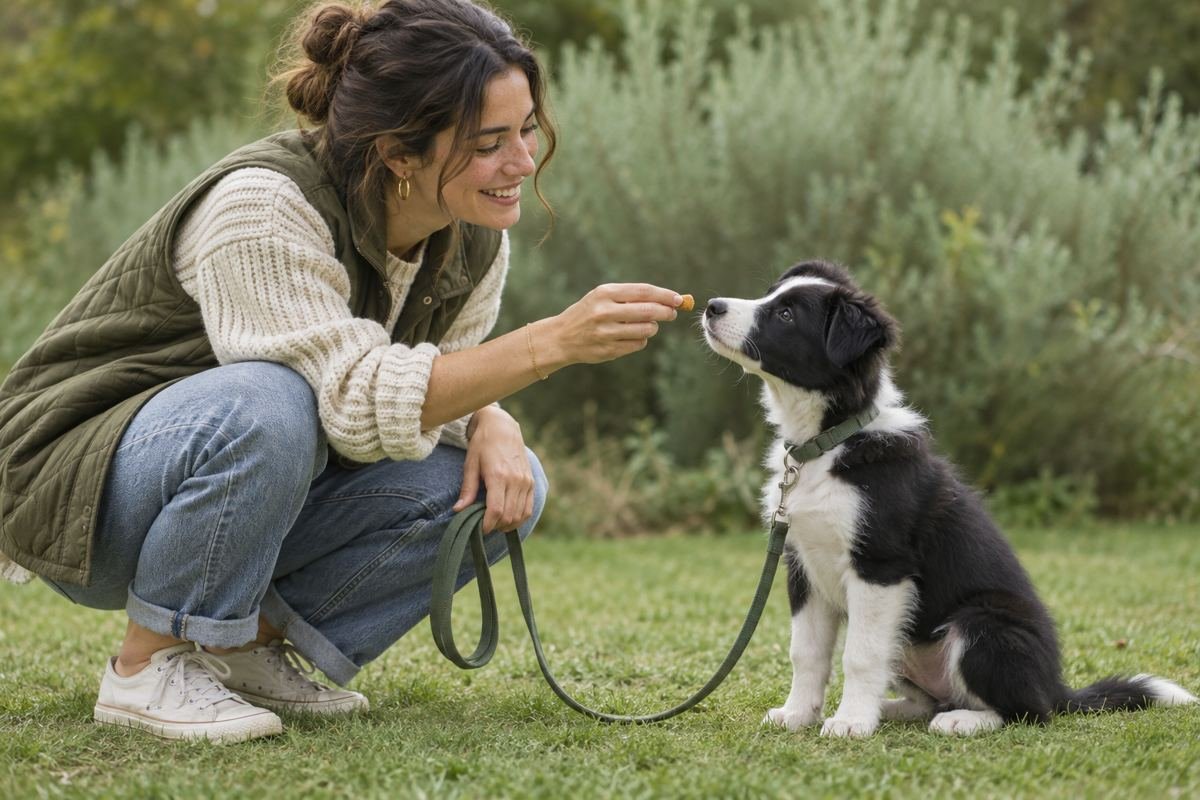
Use a consistent, quiet spot your vet says is safe for your puppy. This matters if vaccinations are still in progress and your only option is a shared outdoor area. Stay close enough to see when your puppy finishes. Keep the outing calm and give a small reward right there. Rewarding after you come inside can make it harder for your puppy to connect the treat to what just happened.
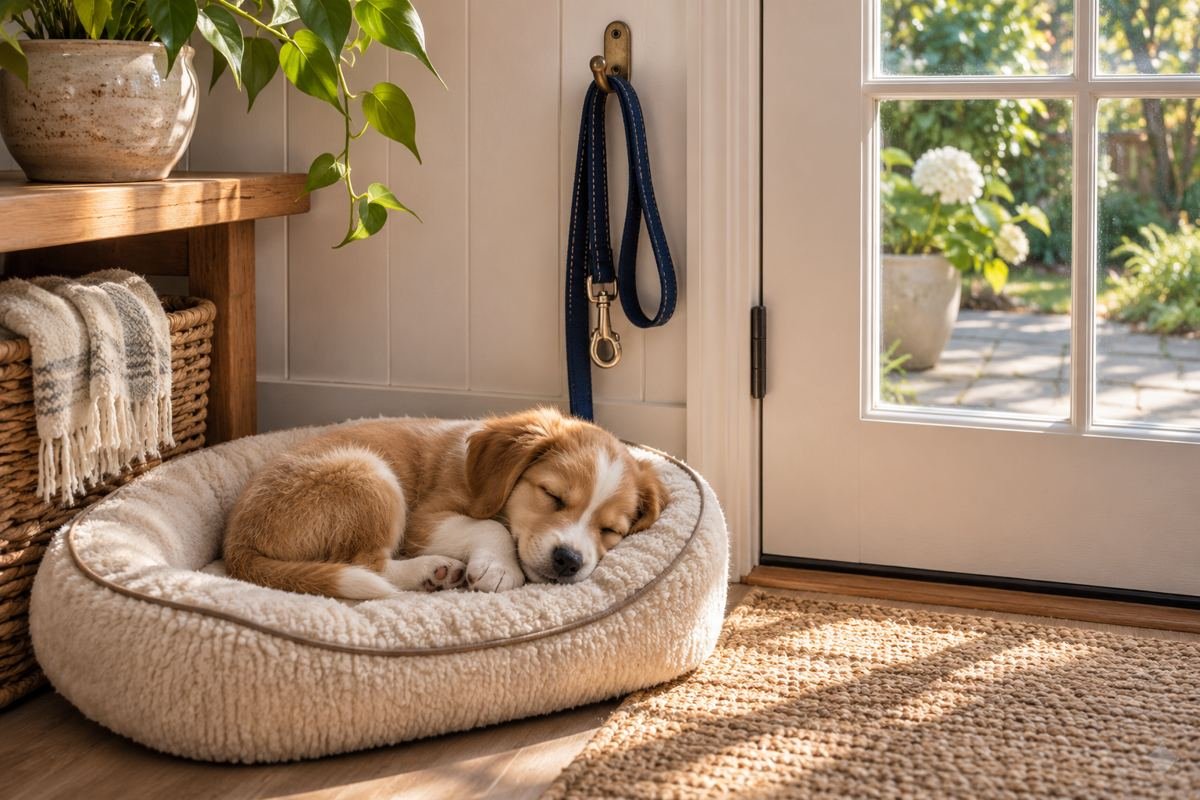
A sample day you can adapt
These are prompts to go out, rather than targets for how long a puppy should hold it. Add breaks between the example events while your puppy is awake. Plan for overnight trips if your puppy needs them. A very young puppy, a change in food or a busy morning can shift the routine.
| When | What to do |
|---|---|
| Wake-up | Go straight to the potty spot |
| After meals, naps and active play | Offer a fresh break even if the last trip was recent |
| Between events | Watch for sniffing or circling and offer frequent chances to go |
| Bedtime | Take a quiet final trip and plan for overnight needs |
What to do when nothing happens
If the puppy gets distracted by leaves or starts playing, give them a quiet moment in the potty spot. If they still don’t go, head indoors and keep them in sight or in a safe pen nearby. Try again soon, and sooner if you see sniffing, circling or a sudden pause in play.
When an outing is successful, reward it and give the puppy a little time to sniff or play when practical. That way finishing doesn’t always end their time outside. Save a treat near the door so the whole household can reward in the same way.
Use a simple log for the first few days
Write down the time, what happened just before the trip, and whether your puppy went outdoors. For example: ‘7:10, after breakfast, pee outside’; ‘7:30, after tug, accident indoors.’ If the same pattern happens again, take the next break before the puppy reaches that point.
Give everyone the same handoff question: ‘When did the puppy last go?’ A shared note helps when one person feeds breakfast and another takes over later. If you’re leaving for a work shift, arrange for someone to offer breaks based on the puppy’s needs.
Handle accidents calmly
If you catch the accident beginning, calmly offer a trip outside and reward your puppy if they finish there. If you find it later, clean it with an enzymatic pet cleaner according to its label. Scolding or rubbing a puppy’s nose in a mess adds fear and gives them no clear way to learn what you want.
Call your veterinarian if you see repeated straining, blood in urine, a sudden change in bathroom habits, or accidents along with illness. Seek urgent veterinary care if your puppy is trying to urinate and cannot pass urine.
What to practice tomorrow
Keep the trips that worked, move one likely accident window earlier, and share the routine with everyone who cares for the puppy. As your puppy has more consistent success, adjust one interval at a time. If you want help choosing structured lessons for other skills, use our guide to choosing an online dog training course.
Sources
American Kennel Club’s puppy house-training timeline
American Veterinary Society of Animal Behavior’s humane training position